



How to Stay Present: Emotional Resilience Tips
Table of Contents
- The Essence of Being Present
- Why Emotional Resilience Matters
- Mindful Breathing: A Gateway to the Present
- Engaging Your Senses
- Reframe Negative Thoughts
- Cultivating Self-Compassion
- Strengthening Social Connections
- Embrace Change and Uncertainty
- Prioritizing Self-Care for Presence and Resilience
- Practicing Gratitude
- Wrapping Up: Integrating Mindfulness and Resilience
The Essence of Being Present
Staying present isn’t about tuning out—it’s about tuning in. It means really engaging with what’s happening in the here and now, sans judgment or the lure of distractions. A study from 2021 published in Science found that we spend about 47% of our waking hours thinking about things other than what we’re doing. Not a surprise, really. This habit of mental wandering has been linked with increased levels of unhappiness. Enter mindfulness—the practice of staying fully present to quiet that restless mind. Can it be your antidote?
Why Emotional Resilience Matters
Why does emotional resilience matter so much? It’s simple: it enables you to face life’s challenges and move through them with strength and grace. It boosts mental health, refining problem-solving abilities and, ultimately, bringing a deeper sense of contentment. For younger generations, who are often weighed down by high expectations and the relentless demands of social media, emotional resilience can be a beacon of sanity. It’s not just a tool for survival—it’s a tool for thriving.
Mindful Breathing: A Gateway to the Present
Mindful breathing is more than a strategy; it’s a lifeline to the present. When you focus on your breath, you’re not just calming down—you’re activating your body’s natural ability to relax and find clarity.
Technique: Seek a tranquil space and close your eyes. Breathe deeply, inhaling, holding, and exhaling to a count of four. This isn’t just about counting; it’s about finding stillness. Repeat until your mind calms and your body relaxes.
Engaging Your Senses
Want a quick way to ground yourself? Engage your senses. It’s a practice that’s not just simple but also profoundly effective in bringing you back to the now.
Pro Tip: Take a moment, pause, and name:
- Five things visible
- Four things you can touch
- Three things you hear
- Two scents in the air
- One taste lingering
This “5-4-3-2-1” technique, often used by psychologists, isn’t just grounding—it’s transformative. Who would have thought such a simple exercise could help dissipate anxiety and stress so effectively?
Reframe Negative Thoughts
Here’s a nugget from Cognitive Behavioral Therapy (CBT): cognitive restructuring. This strategy isn’t as intimidating as it sounds. It’s about facing down those pesky negative thoughts, reframing them, and reducing their power over your mood.
Example: A thought like, “I failed at this,” could become, “This is a chance to grow.” It’s more than semantics; it’s a shift in your emotional compass.
Cultivating Self-Compassion
Enter Dr. Kristin Neff, a self-compassion guru who says kindness to oneself during hard times can bolster resilience and emotional wellness. When the chips are down, why not be your own best ally?
Practice: When hit by a tough emotion, pause. Say, “I’m in a rough patch; I deserve kindness.”
Strengthening Social Connections
Never underestimate the power of connection. Strong social networks are a fortress of emotional support. According to a Harvard study, people with solid friendships not only live longer but experience richer lives.
Action Step: Consistently touch base with your people. These connections? They’re more than just support; they’re lifelines that keep you centered.
Embrace Change and Uncertainty
Learning to see change not as a threat but as growth is a cornerstone of emotional resilience. Life’s unpredictable, sure, but your approach doesn’t have to be.
Tip: Control what you can, and let the rest be. Flexibility and growth trump fear every time.
Prioritizing Self-Care for Presence and Resilience
Regular Exercise
Let’s not ignore the role physical activity plays. Regular exercise isn’t just about endorphins—it’s about fostering a spirit of resilience. Back in 2022, The Asahi Shimbun highlighted how physical activity can enhance mood.
Suggestion: Dedicate at least 30 minutes a day to activities like yoga or a brisk walk. Movement isn’t just physical—it’s mental nourishment.
Adequate Sleep
Rest is the unsung hero of emotional balance. When sleep eludes us, stress increases, and our ability to cope wanes.
Recommendations: Aim for 7–9 hours nightly. A bedtime routine can be a game-changer. No screens, more dreams.
Practicing Gratitude
Gratitude has the power to shift perspectives. By honing in on what you have, rather than what you lack, you’re building a mindset that fosters resilience.
Daily Practice: Each day, jot down three positives in a gratitude journal. It’s small but mightily redirects focus and strengthens emotional fortitude.
Wrapping Up: Integrating Mindfulness and Resilience
Staying present and becoming emotionally resilient is not a one-time effort. It’s an ongoing journey. Incorporating mindfulness and prioritizing self-care are steps towards a more balanced life—steps that don’t just equip you to survive, but to thrive.
So there it is: a roadmap to emotional resilience and presence. By weaving these practices into your life, you not only ride out life’s trials more skillfully but also find more joy in the world around you. Now’s a good time to try one of these strategies. Why not start this very minute?
References
- Killingsworth, M. A., & Gilbert, D. T. (2010). A wandering mind is an unhappy mind. Science, 330(6006), 932-932.
- Neff, K. (2003). The Development and Validation of a Scale to Measure Self-Compassion. Self and Identity, 2(3), 223–250.
- Harvard University Study.
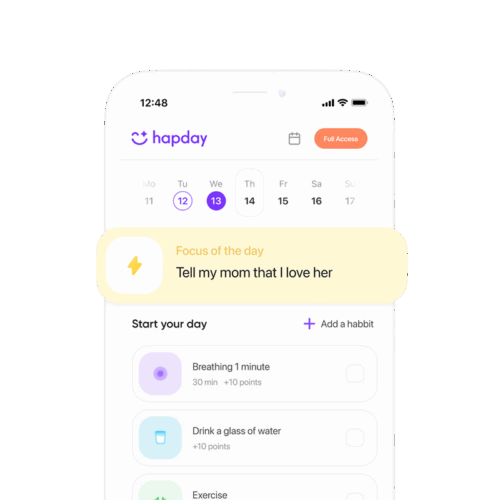
Join 1.5M+ people using Hapday’s AI-powered tools for better mental health, habits, and happiness. 90% of users report positive changes in 2 weeks.