


Discovering Inner Serenity: Mindfulness Meditation for Absolute Beginners
Table of Contents
- Diving into Mindfulness Meditation
- Benefits Grounded in Science
- Beginning Your Mindfulness Journey
- Embracing Mindfulness Daily
- Scientific Proof of Benefits
- Navigating Challenges, Building Resilience
- Community Connections
- Wrapping Up
Diving into Mindfulness Meditation
Mindfulness meditation—a practice where you focus on the present moment with an attitude free of judgment. Picture this: observing your thoughts, emotions, and sensations as they naturally unfold, nurturing a gentle awareness of all that is. Admittedly, for those just starting out, this can appear daunting. Yet, science has shown time and again—mindfulness reduces stress, sharpens focus, and boosts emotional health. But let’s be honest, it’s not a miracle cure, still, quite transformative.
Benefits Grounded in Science
Back in 2011, a journal article in “Health Psychology” pointed out that practicing mindfulness can reduce cortisol levels, the stress hormone most of us could do with less of (Creswell, J. D., et al., 2011). More convincing still, a meta-analysis published in “Psychological Science” highlights improvements in attention, self-control, and emotional strength thanks to mindfulness (Keng, S. L., et al., 2011).
Beginning Your Mindfulness Journey
So, where to kick off? For fresh faces, it’s crucial to come at mindfulness meditation with some patience and an open heart. Here’s a rough map to guide you:
Define Your Intentions
Start by clearly defining why in the world you’re venturing into this meditative realm. Stress reduction, emotional equilibrium? Whatever your reason, anchoring to this intention can propel you forward when motivation wanes.
Establish a Habit
Building meditation into your daily schedule requires sticking to it. Start with a few minutes a day and, as you find your feet, gradually extend your sessions. Many swear by morning meditation to set a peaceful tone for the entire day, but really, the best time is whenever it fits your routine.
Choosing Your Space
Find a tranquil and cozy spot—free of interruptions. Be it a snug corner in your living room or a silent nook in your garden—wherever you feel at peace.
Techniques for the Mindful Novice
Watching the Breath
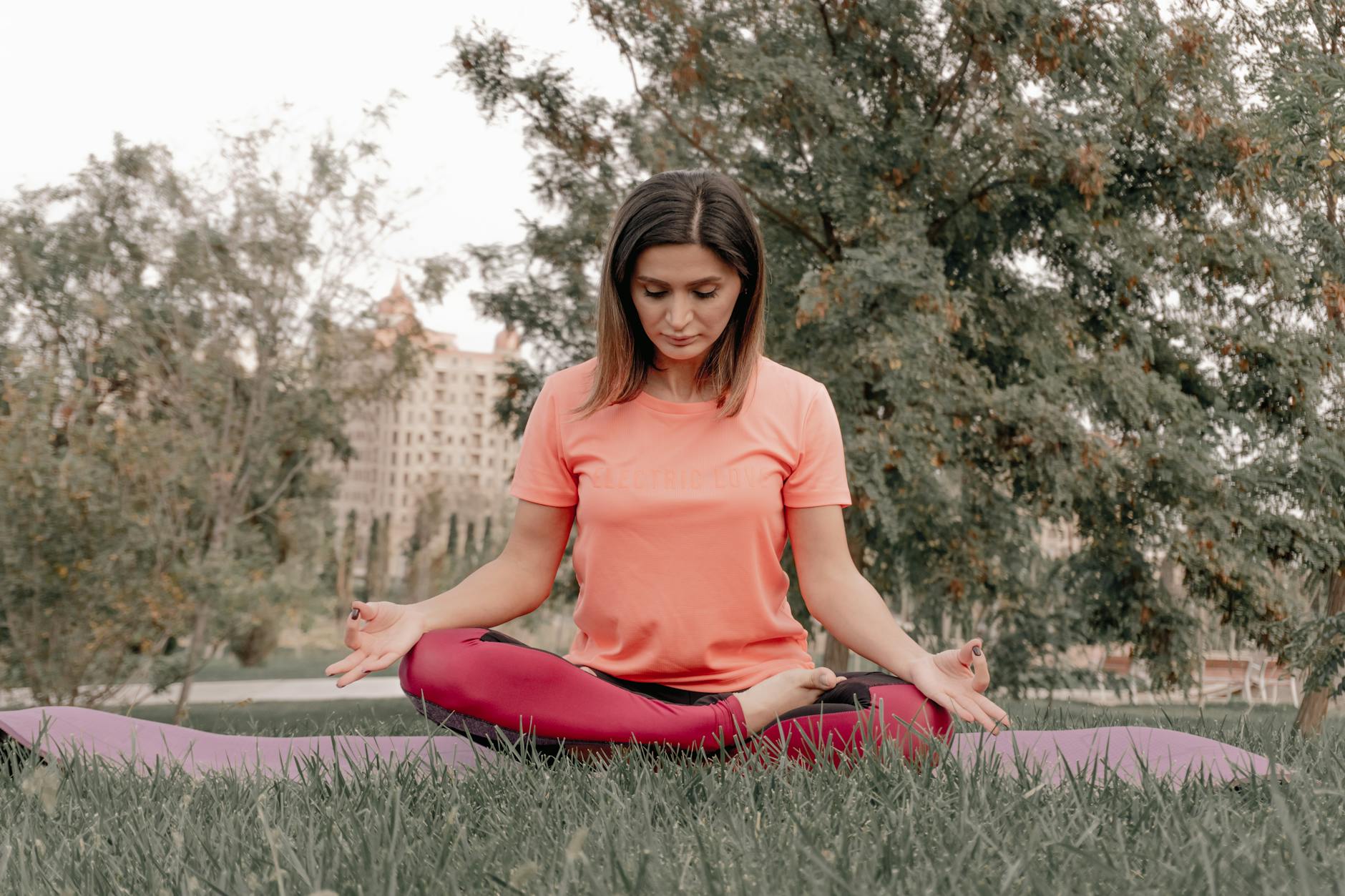
The simplest of techniques: focus on your breathing. Sit comfortably, eyes gently shut, and hone in on your natural breath rhythm. Feel the air entering and leaving your body. Minds wander, naturally. When yours does, gently guide it back to the breath.
Body Scan Meditation
This involves mentally scanning from the tips of your toes to the top of your head, noting sensations, tension, discomforts. It’s about recognizing and releasing—letting go.
Guided Meditations as Support
For those just beginning, guided meditation serves as an immense support. Apps like Headspace or Insight Timer offer structure and direction. They often walk you through visualization exercises and liberate you from the intimidation of silence.
Embracing Mindfulness Daily
Mindfulness isn’t confined to meditation. Embracing a mindful outlook means immersing fully in daily actions—whether eating, wandering, or simply in conversation. It fosters a keen connection—making each experience richer.
Making Peace with Imperfection
Remember, mindfulness invites observation without criticism. If your mind wanders—and it will—it’s your response that counts the most. Gently redirect your attention to the now. See imperfection not as a flaw but as part of the path.
Scientific Proof of Benefits
Loads of studies bolster the notable benefits of mindfulness. One research in the “Journal of Neuroscience” found eight weeks of mindfulness increased gray matter in brain regions linked to memory and emotional regulation (Hölzel, B. K., et al., 2011). Mindfulness can also notably ease anxiety and depression symptoms (Hofmann, S. G., et al., 2010).
Finding Emotional Balance
Mindfulness meditation proves quite effective for achieving emotional balance. By honing awareness of thoughts and emotions, one learns to face stressors with calm deliberation, quelling reactive behaviors to foster emotional intelligence.
Navigating Challenges, Building Resilience
Every novice faces stumbling blocks—distraction, discomfort, or impatience are common. But these hurdles are teachers in disguise. Over time, mindfulness carves resilience—equipping you to weather life’s storms with poignant grace.
Community Connections
Join a meditation group, online or in-person. Sharing the journey with others brings fresh perspectives, encouragement, and a mutual sense of the shared path.
Wrapping Up
Mindfulness meditation lays a timeless path to inner calm and balance, benefiting both beginners and the seasoned alike. Begin with a moment or two daily, set intentions firmly, and imbibe a compassionate stance. As you embark on or continue this voyage, you’re cultivating a peaceful, enlightened state of being. Embrace the ride—let mindfulness sculpt a more fulfilled, present life.
Discover your serene side through mindfulness meditation. Start your adventure today—embrace this practice and transform your life. Dive into free guided meditations or join a community to begin. With each mindful breath, sink deeper into presence and peace.
Action Prompt: Get started with mindfulness today. Join MindHaven for articles, guidance, and community support!
Sources
- Creswell, J. D., et al. (2011). Alterations in resting-state functional connectivity link mindfulness meditation with reductions in interleukin-6: A randomized controlled trial. Psychoneuroendocrinology.
- Hölzel, B. K., et al. (2011). Mindfulness practice leads to increases in regional brain gray matter density. Psychiatry Research: Neuroimaging.
- Hofmann, S. G., et al. (2010). The effect of mindfulness-based therapy on anxiety and depression: A meta-analytic review. Journal of Consulting and Clinical Psychology.
- Keng, S. L., et al. (2011). Effects of mindfulness on psychological health: A review of empirical studies. Clinical Psychology Review.
Join 1.5M+ people using Hapday’s AI-powered tools for better mental health, habits, and happiness. 90% of users report positive changes in 2 weeks.