



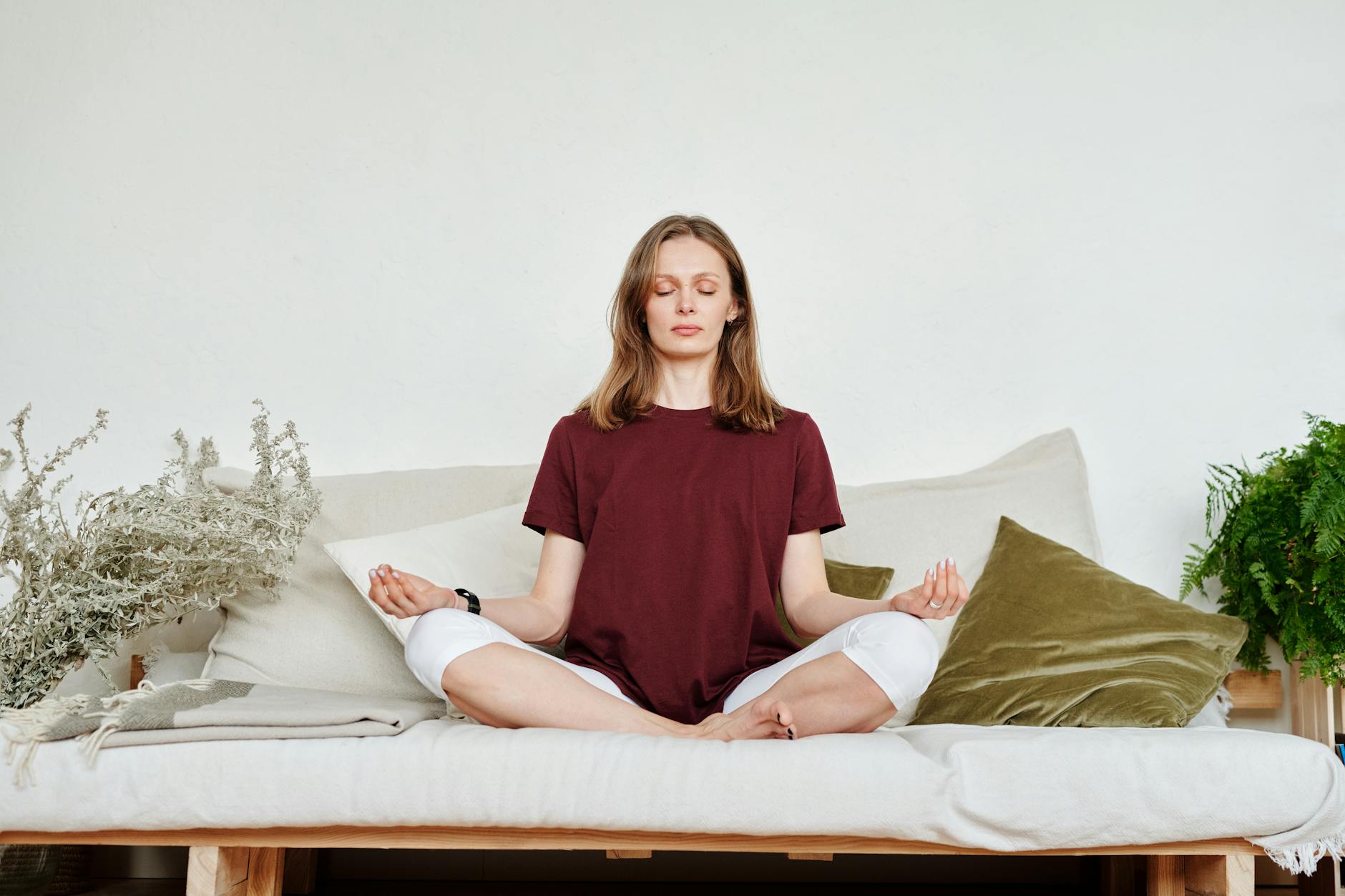
Mindfulness for Beginners: Inner Calm Techniques
Table of Contents
- Understanding Mindfulness
- Why Mindfulness Matters
- Inner Calm Techniques for Beginners
- Incorporating Mindfulness into Daily Life
- Scientific Support and Global Trends
- Setting Realistic Goals: Consistency Over Perfection
- Common Challenges and Overcoming Them
- A World of Calm Awaits
Understanding Mindfulness
At its core, mindfulness is about being present, without judgment. Jon Kabat-Zinn, a trailblazer in modern mindfulness, says it best: “Mindfulness means paying attention in a particular way: on purpose, in the present moment, and nonjudgmentally.” It fosters a calm awareness of the here and now, easing stress and anxiety—two very common problems today.
Why Mindfulness Matters
These benefits aren’t just philosophical musings; they’re scientifically backed. A Harvard University study found that just eight weeks of mindfulness meditation can change brain structures linked to memory, self-perception, empathy, and stress control. This happens because mindfulness changes gray matter density in your hippocampus and decreases the amygdala’s size—both crucial for managing stress.
Inner Calm Techniques for Beginners
1. Breathing Exercises
Mindfulness can start simply—with the breath. Conscious breathing grounds you in the present, soothing a restless mind. Try this basic breathing technique:
- Technique: Inhale deeply through your nose for a count of four, hold for four, then exhale slowly through your mouth for another four. Repeat for five to ten minutes.
2. Body Scan Meditation
This type of meditation enhances bodily awareness and relaxation, great for releasing tension.
- Technique: Lie comfortably, close your eyes. Starting at your toes, focus on relaxing each part of your body, moving slowly up. Notice any sensations or thoughts without judgment.
3. Guided Imagery
This technique uses visualization to evoke calm. Imagine that.
- Technique: In a quiet place, close your eyes and picture a serene scene—maybe a beach or forest. Envision every detail and immerse yourself for about ten minutes.
4. Mindful Walking
Walking meditation combines mindfulness with movement—ideal for those who struggle with stillness.
- Technique: Walk slowly, focusing on the rise and fall of each step and the ground’s contact. Stay aware of your surroundings but don’t let them distract you.
Incorporating Mindfulness into Daily Life
Mindfulness isn’t just about sitting in silence. It’s about integrating presence into daily life. Why not turn routine activities into mindfulness exercises?
- Eating: Taste each bite, fully aware of flavors and textures.
- Chores: Make tasks like dishwashing an exercise in mindfulness. Focus completely on the action.
- Tech-Free Times: Set aside moments each day without screens. Engage deeply with life.
Scientific Support and Global Trends
Mindfulness isn’t just a fad—it’s globally embraced. According to a report by the National Center for Complementary and Integrative Health, 14% of American adults had tried meditation by 2017. Young people, particularly Gen Z and Millennials, are leading the charge, seeking tech-enabled mindfulness solutions.
Setting Realistic Goals: Consistency Over Perfection
Starting a mindfulness practice? Key—aim for consistency, not perfection. Begin with short, manageable sessions, and gradually extend them. Mindfulness isn’t about a flawless state of relaxation, but accepting each moment as it comes… isn’t it?
Common Challenges and Overcoming Them
- Restlessness: It’s normal to get antsy. Note these feelings, then gently return to your breath.
- Time Constraints: Fit brief mindfulness moments into your day. Even a minute can be transformative.
A World of Calm Awaits
Mindfulness can empower you to nurture an inner peace that enriches life. By adopting these methods, beginners can build a solid foundation. Take a deep breath, and step onto this path.
While it’s tempting to sign off with “In conclusion,” mindfulness is less about conclusions and more about journeys. As you weave these techniques into your routine, may your experience of the present moment deepen. Start your journey to inner calm today with mindfulness. Adopt the practice and witness the change in your life!
References
- Harvard Health Publishing – Harvard-specific findings and analysis on mindfulness meditation.
- The National Center for Complementary and Integrative Health – Data about meditation trends in the U.S.
This guide aims to support your quest into mindfulness, aligned with your goals for growth and well-being. Start your mindfulness path with these techniques, and remember, tranquility begins with every breath.
Join 1.5M+ people using Hapday’s AI-powered tools for better mental health, habits, and happiness. 90% of users report positive changes in 2 weeks.