

Embracing Mindfulness: Your Path to Inner Calm and Emotional Wellbeing
Table of Contents
- Understanding Mindfulness
- The Science-Backed Benefits of Mindfulness
- Reduced Stress and Anxiety
- Enhanced Emotional Wellbeing
- Improved Focus and Cognitive Flexibility
- Practical Ways to Practice Mindfulness
- Mindful Meditation
- Mindful Eating
- Mindful Movement
- Gratitude Journaling
- Mindfulness in Daily Life
- Overcoming Common Hurdles
- The Journey Towards Emotional Wellbeing
Understanding Mindfulness
Mindfulness? It’s more than a fleeting trend; it’s grounded in ancient wisdom and supported by modern science. Jon Kabat-Zinn, one of the pioneers of mindfulness-based stress reduction (MBSR), revealed through his research that mindfulness significantly reduces stress, anxiety, and depression levels. His findings, dating back to 1990, highlight mindfulness as a vital tool for today’s young adults, who face unprecedented psychological pressures and challenges [Kabat-Zinn, 1990].
The Science-Backed Benefits of Mindfulness
- Reduced Stress and Anxiety: Mindfulness rewires the brain—literally. A piece of research published in “Social Cognitive and Affective Neuroscience” found mindfulness practices can alter the amygdala, which is the brain’s stress response hub. This change reduces reactivity and bolsters emotional control (Desbordes et al., 2012). The concept of neuroplasticity emphasizes how deeply mindfulness can shape positive transformation.
- Enhanced Emotional Wellbeing: Carnegie Mellon University research revealed that regular mindfulness practice boosts activity in the prefrontal cortex, an area tied to emotional resilience (Creswell et al., 2007). An emotionally resilient mind not only enhances your mood but also better prepares you to face life’s unexpected challenges and upheavals.
- Improved Focus and Cognitive Flexibility: Engaging deeply in mindfulness meditation can enhance cognitive functioning and focus. University of California, Santa Barbara researchers found that just a couple of weeks of mindfulness practice improved GRE scores and working memory in participants (Mrazek et al., 2013). Who wouldn’t want an extra edge in exams?
Practical Ways to Practice Mindfulness
Mindful Meditation
Meditation is the heart of mindfulness. Just start with a couple of minutes a day. Simply focus on your breathing and watch thoughts as they come and go—without judgment. Apps like Headspace and Calm offer easy-to-follow guided meditations perfect for those new to the practice.
Mindful Eating
Make mindful eating part of your daily routine. Take time to appreciate the colors, textures, and flavors of your meals. Savor each bite, offering thanks for the sustenance. Such mindfulness not only encourages healthier eating habits but also deepens your connection with the food itself.
Mindful Movement
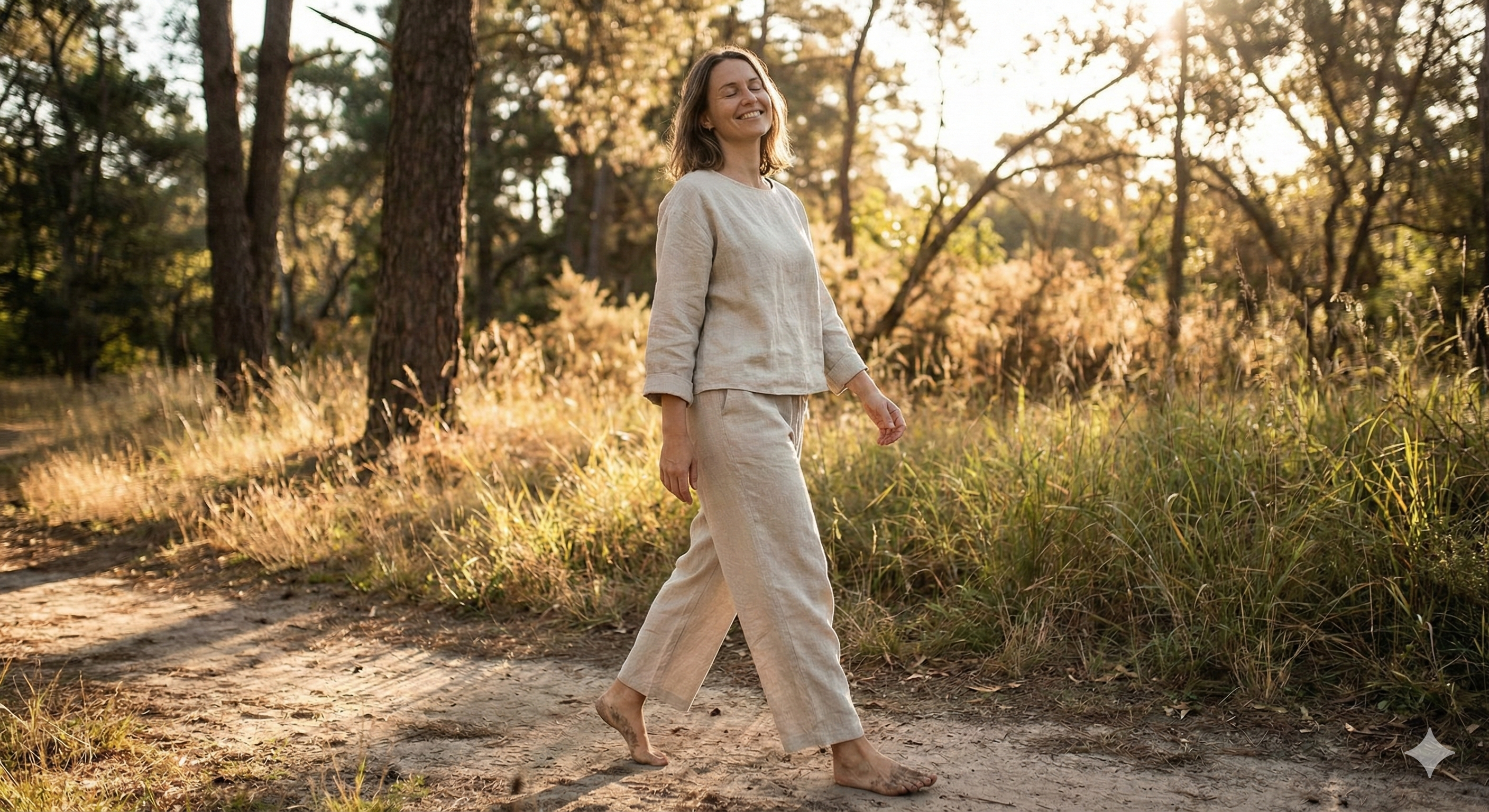
Blend mindfulness into your physical activities. Whether practicing yoga, walking, or even just stretching, it’s beneficial to concentrate on each movement and the physical sensations they invoke. This unification of body and mind amplifies the psychological benefits of physical exercise.
Gratitude Journaling
End your day by jotting down three things you’re grateful for. This simple ritual shifts your focus to life’s positives—a practice shown to boost happiness and satisfaction (Emmons & McCullough, 2003). Isn’t it nice to fall asleep on a note of gratitude?
Mindfulness in Daily Life
Infusing mindfulness into daily routines doesn’t demand dramatic life changes. It’s about discovering moments throughout the day to stop, breathe, and be fully present. Utilize everyday activities like brushing your teeth, taking a shower, or brewing coffee, as opportunities to practice mindfulness. Each pause injects a touch of tranquility and equilibrium into your day.
Overcoming Common Hurdles
Starting a mindfulness practice isn’t without its challenges, particularly for beginners. Don’t be surprised if you feel restless or frustrated. It’s a journey, not a sprint toward perfection. So cultivate patience and celebrate those small victories. If needed, professional support through workshops or counseling can offer valuable structure and guidance.
The Journey Towards Emotional Wellbeing
Mindfulness exceeds being just a trendy practice; it’s a way of living that enriches emotional wellbeing and fosters a deep-seated connection with oneself and the world at large. By embracing mindfulness, we carve out space to breathe deeply amidst the chaos, paving a way to serenity and introspection that fuels growth and resilience.
By gently cultivating mindfulness, you empower yourself to navigate life’s complexities with both grace and clarity. As Thich Nhat Hanh famously said, “The present moment is the only time over which we have dominion.” Embrace it with all your heart, and let it guide you towards emotional wellbeing and inner peace.
Take the first step on your mindfulness journey today. Close your eyes, take a deep breath, and let go. Your path to tranquility begins now.
References
- Kabat-Zinn, J. (1990). Full Catastrophe Living: Using the Wisdom of Your Body and Mind to Face Stress, Pain, and Illness.
- Desbordes, G., Negi, L. T., Pace, T. W., Wallace, B. A., Raison, C. L., & Schwartz, E. L. (2012). Effects of mindful-attention and compassion meditation training on amygdala response to emotional stimuli in an ordinary, non-meditative state. Social Cognitive and Affective Neuroscience.
- Creswell, J. D., et al. (2007). Mindfulness meditation training effects on CD4+ T lymphocytes in HIV-1 infected adults: A small-laboratory experiment. Brain, Behavior, and Immunity.
- Mrazek, M. D., et al. (2013). Mindfulness training improves working memory capacity and GRE performance while reducing mind wandering. Psychological Science.
- Emmons, R. A., & McCullough, M. E. (2003). Counting blessings versus burdens: An experimental investigation of gratitude and subjective well-being in daily life. Journal of Personality and Social Psychology.
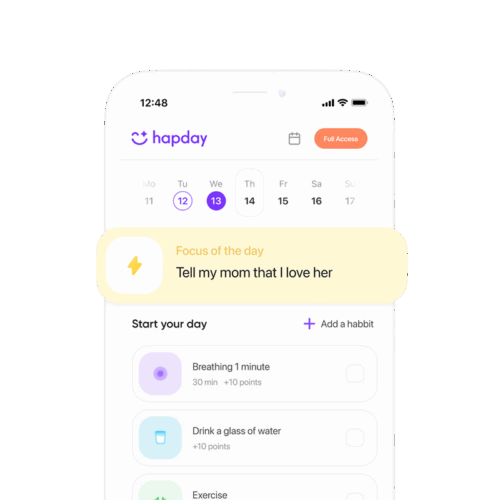
Join 1.5M+ people using Hapday’s AI-powered tools for better mental health, habits, and happiness. 90% of users report positive changes in 2 weeks.