


Discover Inner Peace: Tips on Mindful Breathing
Table of Contents
- Understanding Mindful Breathing
- The Science Behind Mindful Breathing
- Tips for Integrating Mindful Breathing
- Mindful Breathing for Different Environments
- The Advantages of Consistent Practice
- Overcoming Common Challenges
- In Closing
- References
Understanding Mindful Breathing
What exactly is mindful breathing? It’s the act of focusing with intent on our breath. Sounds easy, doesn’t it? But the truth is, reaping its rewards calls for patience and consistency. Back in 2021, a study in the journal Cognition & Emotion noted that just a few weeks of this practice could seriously drop anxiety and depression levels. This link between mindful breathing and stress relief makes it an appealing practice for those looking for balance, especially during life’s overwhelming moments.
The Science Behind Mindful Breathing
Why does mindful breathing work? Its secret lies in activating our parasympathetic nervous system—promoting a state of relaxation. Keep up with the practice, and you’ll find it changes the structure of your brain, boosting resilience and emotional control. A piece from Harvard Health Publishing illustrated how mindfulness techniques, like deep breathing, cut down stress hormones and enhance serotonin—our brain’s natural mood lifter. Who wouldn’t want less stress and more peace?
Tips for Integrating Mindful Breathing
-
Begin with Focused Attention
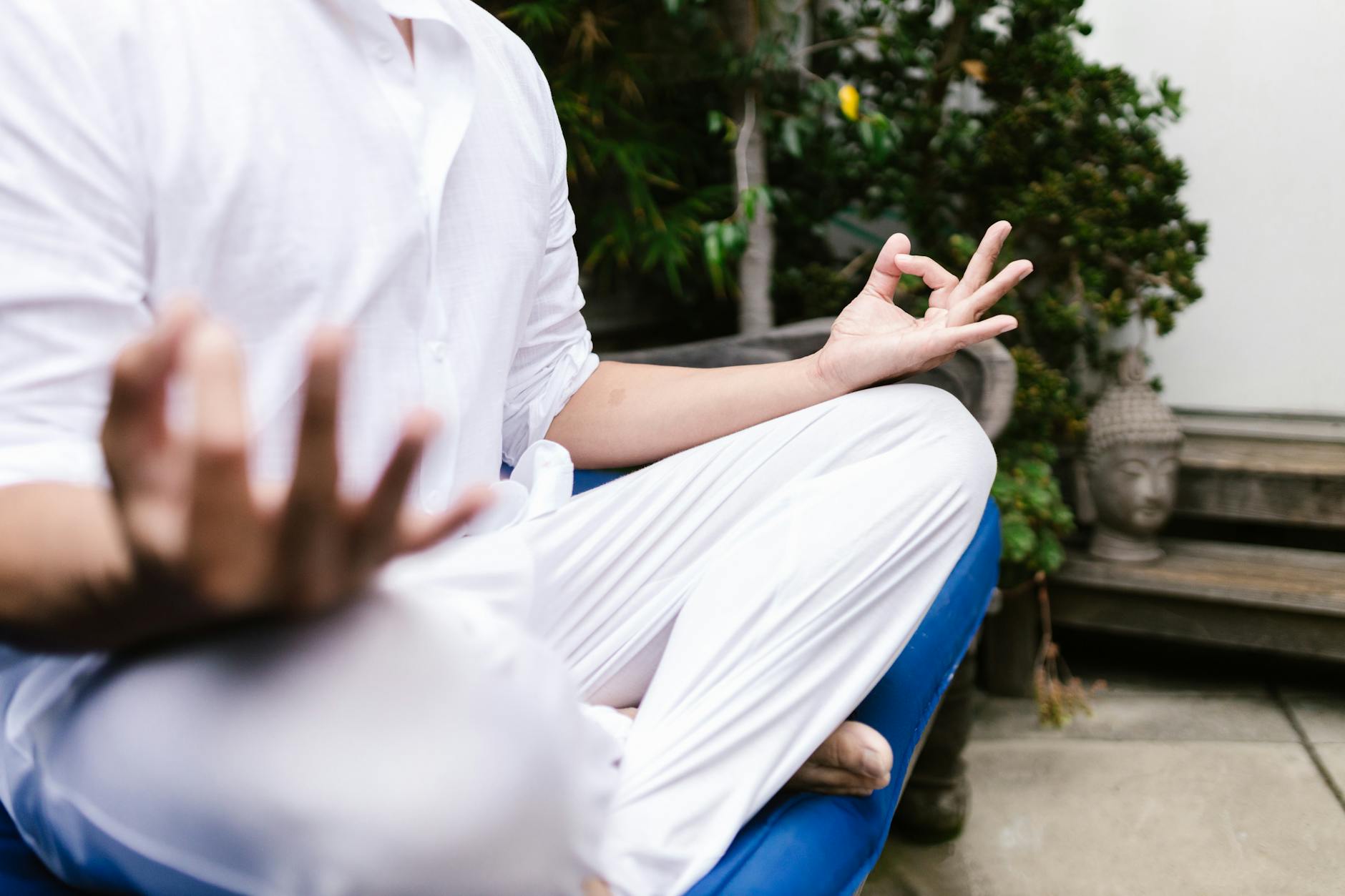
Find a peaceful spot where disruptions are unlikely. Close your eyes, zero in on your breath, and inhale deeply through the nose—letting your chest rise. Exhale slowly through the mouth, immersing yourself in the sensation of the air’s motion. Simple, yet powerful.
-
Practice Box Breathing
Ever tried box breathing? Breathe in for four counts, hold for four, exhale for four, and pause again for four. Repeat. This technique not only organizes breathing but soothes the mind and refines focus.
-
Employ Breathing Anchors
Want deeper focus? Try breathing anchors. Choose a word like “peace” or “calm” and silently repeat it as you breathe. A study mentioned in Psychological Inquiry found that using anchors can amplify meditation effects by linking positive affirmations to breathing. It’s a small tweak with a significant impact.
Mindful Breathing for Different Environments
-
At Work
Long hours? Take five-minute breathing pauses. Beyond just relaxation, these breaks can boost concentration. The Journal of Occupational Health Psychology claimed mindful breathing breaks reduce stress and burnout risks, improving overall job performance. Makes you wonder, shouldn’t more workplaces encourage it?
-
Before Sleep
Stress hinders sleep. Add mindful breathing to your night routine, signaling your body that it’s time to unwind. Spend ten minutes focusing solely on rhythmic breaths, promoting a smoother transition into deep, restorative sleep.
-
During Daily Commutes
Turn commuting into a mindfulness retreat. Even brief periods of mindful breathing can protect you from the noise and keep stress at bay. Consider using a mindful breathing app or recording to maintain focus during this time.
The Advantages of Consistent Practice
Beyond immediate calm, mindful breathing yields broader mental health benefits. Regular practice can trim your heart rate and blood pressure and fortify your immune system—participants in a study from PNAS (Proceedings of the National Academy of Sciences) showed reduced cortisol, a stress marker, when practicing mindful breathing consistently. It seems this practice might just be a secret weapon against stress.
Overcoming Common Challenges
For beginners, consistency can be tough, with distractions running rampant through a wandering mind. But don’t judge yourself too harshly. When your mind drifts, softly guide your attention back to your breath. Apps like Headspace or Calm can be great allies, crafted to make maintaining a practice a tad easier.
In Closing
Seeking peace through mindful breathing isn’t a distant quest; it’s a practice within reach for anyone willing to try. Imagine it as a beacon, restoring order and clarity in your life, rendering life’s unexpected challenges a bit more manageable. By weaving mindful breathing into your daily routine, you create space for tranquility, addressing modern stressors head-on. As this practice integrates into your life, the resulting calm will ripple outward, strengthening your ability to handle trials with grace.
Embrace this transformative breathing power, allowing it to usher you into a bright, centered existence. Dive into your mindful breathing journey today. Discover profound serenity—one breath at a time.
References:
- Arch, J. J., & Craske, M. G. (2006). Mechanisms of mindfulness: Emotion regulation following a focused breathing induction. Behaviour Research and Therapy, 44(12), 1849-1858.
- Harvard Health Publishing. (2011). Mindfulness meditation may ease anxiety, mental stress.
- Arnetz, B. B., Nevedal, D. C., Lumley, M. A., Backman, L., & Lublin, A. (2009). Trauma Resilience Training for Police: Psychophysiological and Performance Effects. Psychology, 9, 1-11.
Join 1.5M+ people using Hapday’s AI-powered tools for better mental health, habits, and happiness. 90% of users report positive changes in 2 weeks.