



Cultivating Inner Peace: Practical Mindfulness Strategies for Everyday Life
Table of Contents
- The Science Behind Mindfulness
- Understanding the Core of Mindfulness
- Simple Mindfulness Techniques to Incorporate Daily
- Incorporating Mindfulness into Work
- Mindfulness and Emotional Wellbeing
- Overcoming Common Mindfulness Challenges
- Benefits of Long-Term Mindfulness Practice
- Conclusion
The Science Behind Mindfulness
Mindfulness—essentially about focusing on the present moment without judgment—is more than a fleeting fad. It stands on solid scientific ground. A Harvard study mentions that regular mindfulness practice enhances attention, reduces stress, and boosts life satisfaction. By now, most people have heard that such practices can increase gray matter density. This happens in brain regions governing memory, emotion regulation, and learning… Fascinating, isn’t it?
Understanding the Core of Mindfulness
Before jumping into techniques, it helps to grasp the essence of mindfulness. At its heart, mindfulness revolves around presence and awareness. Letting go of judgments to embrace each moment as it unfolds—this presence enables responses with clarity, not impulsiveness. For anyone struggling with stress or burnout, this change can be life-altering.
Simple Mindfulness Techniques to Incorporate Daily
Incorporating mindfulness into your daily life doesn’t have to be laborious or complex. Here’re some easy strategies for nurturing inner tranquility:
Mindful Breathing
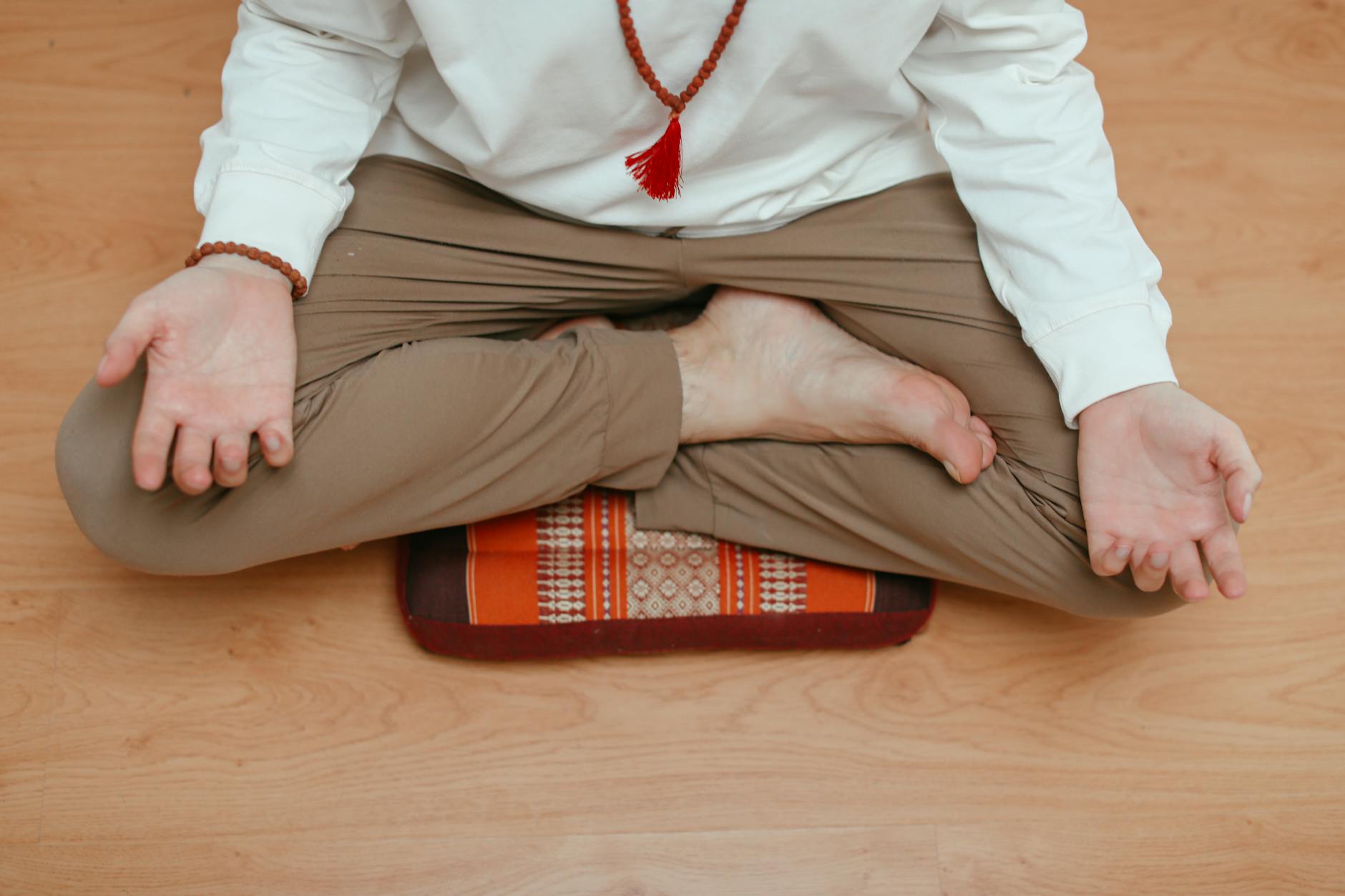
Mindful breathing forms the backbone of most mindfulness practices. Focusing on your breath acts as an anchor to the present. Take a few minutes daily to sit quietly, close your eyes, and concentrate on your breathing. Notice that sensation of air flowing in and out. Minutes of such focus can markedly reduce anxiety.
Body Scan
Conducting a body scan helps ground you, tuning you into your physical self. Starting at your toes and moving up to your head, pay attention to each body part. Acknowledge any sensations, discomfort, or tension—without judgment. This method can heighten body awareness and ease physical tension.
Mindful Walking
Walking meditation is an effective means to infuse mindfulness into daily routines, especially under stress. While walking, engage with each step, feel the ground beneath your feet, and sync with your breath’s rhythm. A typical walk morphs into a soothing, grounded experience.
Incorporating Mindfulness into Work
For many, work triggers significant stress. Infusing mindfulness into your workday boosts focus and productivity while cutting stress. Here’s how:
Start with a Mindful Morning
Kick off your day by setting intentions, perhaps with positive affirmations. This lays a mindful framework for your entire day.
Create a Mindful Workspace
Keep a tidy workspace, add calming elements like plants or soothing scents. During breaks, indulge in mindful breathing or stretching to rejuvenate focus and energy.
Mindfulness in Meetings
Before meetings, take deep breaths to center yourself. During, channel full attention to the speaker, actively listen, and respond with thoughtfulness. This approach enhances comprehension and fosters genuine interaction.
Mindfulness and Emotional Wellbeing
Mindfulness can vastly improve emotional wellbeing. By staying present, you can acknowledge emotions without getting swamped. Awareness nurtures healthier emotional responses, fostering deeper self-understanding. A meta-analysis in JAMA Internal Medicine revealed that mindfulness meditation programs significantly improve anxiety, depression, and pain management.
Overcoming Common Mindfulness Challenges
Embarking on a mindfulness journey doesn’t guarantee a smooth sail. Quieting the mind or sustaining practice might feel daunting. Here’re some tips to handle these hurdles:
Consistency Over Perfection
Remember, mindfulness isn’t about flawlessness. It values consistency. Even brief, five-minute sessions can make an impact. Regular practice, however minimal, is key.
Guided Mindfulness
Struggling with solo mindfulness? Consider apps or online resources offering guided meditation. Many report meaningful improvements through these supportive tools.
Be Patient
Mindfulness unfolds as a skill over time. Give yourself grace and let your practice develop naturally. Recognize and celebrate small victories along your path.
Benefits of Long-Term Mindfulness Practice
The benefits of sustained mindfulness practice are vast. Beyond stress relief and emotional wellness, it enhances focus, empathy, and self-awareness. These invaluable traits serve both personal and professional life. Additionally, mindfulness can foster long-term personal growth—allowing graceful navigation of life’s challenges.
Conclusion
In a world sometimes suffocating with noise, mindfulness shines as a beacon, guiding toward serenity and emotional equilibrium. By integrating simple mindfulness strategies into everyday life, you can cultivate a profound sense of calm and self-awareness. Each journey to mindfulness unfolds uniquely—embrace yours.
Looking to transform your life through mindfulness? Take that first step toward calming your mind and nurturing your soul.
References
- JAMA Internal Medicine, “Meditation Programs for Psychological Stress and Well-being: A Systematic Review and Meta-analyses.”
- Psychological Science, “How Mindfulness Meditation Improves Mental Health.”
Join 1.5M+ people using Hapday’s AI-powered tools for better mental health, habits, and happiness. 90% of users report positive changes in 2 weeks.