


How to Stay Present: Self-Care Tips
Table of Contents
- Understanding the Importance of Presence
- Self-Care Tip 1: Mindful Breathing
- Self-Care Tip 2: Embrace Journaling
- Self-Care Tip 3: Focus on Physical Exercise
- Self-Care Tip 4: Limit Digital Distractions
- Self-Care Tip 5: Practice Gratitude
- Conclusion
Understanding the Importance of Presence
Presence, simply put, is about fully immersing yourself in what you’re doing, shutting out all the noise. A study from 2011 suggests those who embrace mindfulness report better life satisfaction and less stress. It’s the small joys that get amplified and the anxiety that dwindles. Millennials and Gen Z? They’re grappling with these more than ever.
Self-Care Tip 1: Mindful Breathing
Need something easy but effective? Try mindful breathing. It’s about watching your breath, feeling its rhythm as it comes and goes. According to some folks at Harvard, deep breathing works wonders for stress. Dedicate just five minutes a day to this—build on it as it becomes easier.
How-To: Box Breathing Technique
- Inhale deeply for four counts.
- Hold for another four.
- Exhale fully for four.
- Hold again for four… then repeat.
Such a simple technique. Yet, it roots you in the moment.
Self-Care Tip 2: Embrace Journaling
Journaling — it’s powerful. It gives your thoughts a voice and pulls you back to here and now. A piece in Journal of Experimental Psychology highlighted that expressive writing could help clear your mind and boost your mental health. A few minutes each day, jotting down what you’re grateful for, can make a huge difference.
Prompts to Get Started:
- “What three things am I thankful for today?”
- “How do I feel now and why?”
- “What small kindness did I witness today?”
Self-Care Tip 3: Focus on Physical Exercise
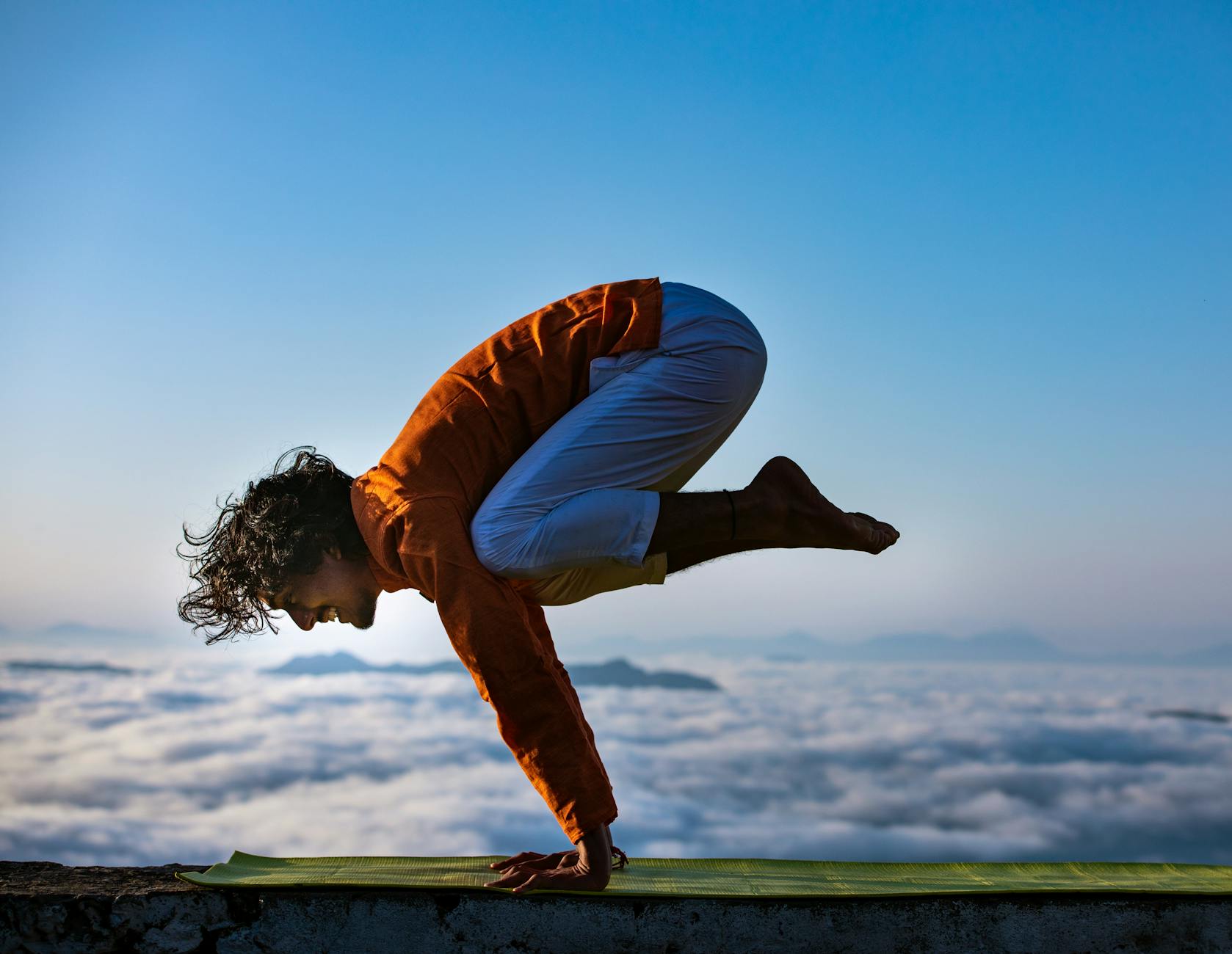
Exercise isn’t just about fitness; it’s therapy for the mind. Activities like yoga and tai chi ground you in movement and breathe presence into your routine. The APA from back in 2013 mentions how exercise sharpens your mind and keeps fatigue at bay. Start small, maybe a 10-minute walk, and go from there.
Self-Care Tip 4: Limit Digital Distractions
Digital alerts — they’re a thief of the moment. It turns out, a good chunk of people keep checking their devices, driving their stress levels up. Boundaries help. Set times for social media, mute some notifications, use apps like “Moment” to help limit screen time. This can make a big difference.
Practical Steps:
- Have hours where you unplug.
- Silence non-essential alerts.
- Tools like “Forest” might help you stay focused.
Self-Care Tip 5: Practice Gratitude
Gratitude—it’s transformative. Shifting your focus to what you have shifts your outlook. The Journal of Happiness Studies found that those who practice gratitude each week feel more joy and less depression. Try ending your day with three things you’re thankful for and share with loved ones if you can.
Daily Practice:
- Write down three things you’re grateful for.
- Consider why they’re important.
- Share these reflections with others.
Conclusion
Mindfulness through self-care? It’s a journey with potential for real change in your well-being. These habits—breathing, writing, exercising, digitally detoxing, and expressing gratitude—lay a foundation for emotional balance. Remember, it’s about consistency and patience. The changes don’t happen in a day; they build over time, offering respite from life’s storm.
Feeling stressed? Start by picking one tip—make it a habit. Small steps today for a calmer tomorrow.
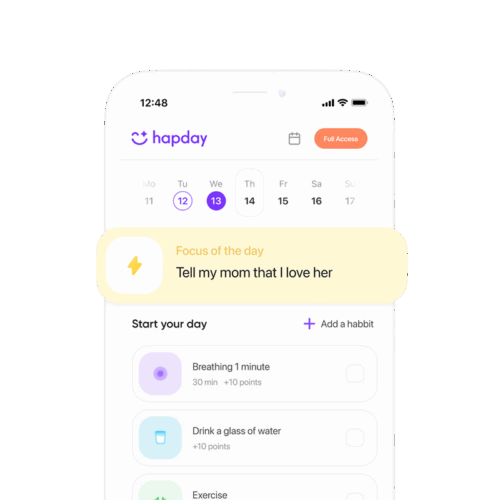
Join 1.5M+ people using Hapday’s AI-powered tools for better mental health, habits, and happiness. 90% of users report positive changes in 2 weeks.