


How to Cultivate Mindfulness for Inner Peace
Picture walking down a crowded city street. It’s noisy; your mind’s racing with deadlines, worries, or even yesterday’s faux pas you can’t quite shake off. Then, almost like pressing pause, you simply notice the sun warming your face, the quiet inhale and exhale of your breath, or the way leaves rustle against a gentle wind. There—peace sneaks in like a forgotten friend. This fleeting grace—searching for calm amid chaos—defines mindfulness. It’s about anchoring oneself to the present.
Table of Contents
- What Exactly is Mindfulness?
- The Mind and Body Remodeling Magic of Mindfulness
- Embracing Your Unique Mindfulness Path
- Nurturing a Habit: Consistency is Key
- Everyday Mindfulness: Beyond Stress Reduction
- The Bumps Along the Way
- Blending Tech with Tranquility
- The Voyage to Serenity
Key Takeaways
- Mindfulness encourages acceptance of the present moment and has roots in Buddhism.
- Practicing mindfulness can significantly reduce stress levels and promote emotional well-being.
- Incorporating mindfulness into daily habits can enhance focus, emotional intelligence, and relationships.
- It’s normal to face challenges when starting mindfulness; approach these with self-compassion.
- Utilizing technology in mindfulness can enhance motivation and accessibility.
What Exactly is Mindfulness?
Why’s everyone so into mindfulness these days? It’s a fair question. At its core, mindfulness isn’t just about being present; it’s more about gently accepting every fleeting moment without passing judgment. It’s got roots in Buddhist meditation but has leaped into modern therapy circles for a reason—it genuinely transforms lives.
“Mindfulness helps folks unwind from their relentless thoughts, replacing patterns of sheer stress with a kind-hearted clarity.”
— Dr. Sarah Chen, Clinical Psychologist, NYU
It’s evident in research, too. Back in 2021, a study from Harvard pointed out that practicing mindfulness could dent stress levels by a third! If that isn’t compelling, what is?
The Mind and Body Remodeling Magic of Mindfulness
Think you’re alone with your anxiety or feeling overwhelmed? You’re not. Consider someone like Maya, who’s 28, and who found calm through mindfulness post-divorce. “It grounded me in the now,” she confides, “no longer drowning in what used to be or what could happen.” And she’s not alone. Physically, the National Institutes of Health tells us this practice eases chronic pain and even helps you sleep more soundly. Surely, when mindfulness lowers stress hormones and pumps up your immunity, it literally arms you against life’s little nasties.
Embracing Your Unique Mindfulness Path
Embarking on this path needn’t mean an upheaval of lifestyle; small, gradual changes work wonders. Here’s your invitation to begin:
- Mindful Breathing: Your Calm Compass in Chaos
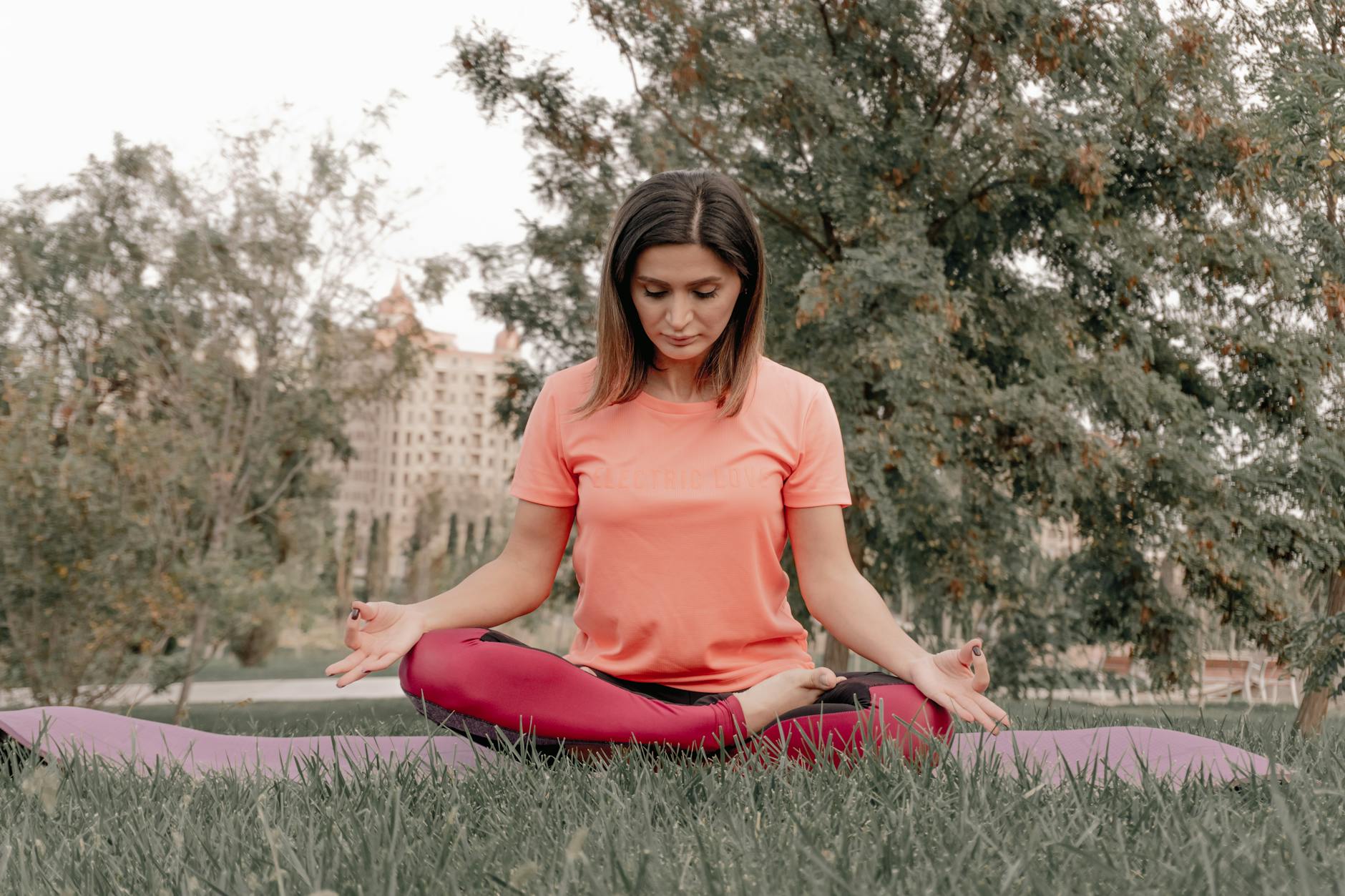
It begins simply—your breath. Sit down, eyes closed, breathe in through your nose, out through your mouth. Nothing fancy, just follow the rhythm for a few minutes.Pro Tip: Try using a mindfulness app to guide you through mindful breathing exercises. - Body Scan: Conversing with Your Inner Self
Your body’s often whispering tensions you’re not aware of. Body scanning tunes you into those stress-holding areas.How to practice: Lie comfortably, navigate your awareness slowly through each body part. Feel, don’t change sensations. It’s grounding, especially post one of those chaotic days.
- Mindful Walking: Moving Presence
Strolls turn mindful when you slow down to truly walk, not just move. Notice each step, every breath you sync with.How to practice: Pick a silent path. Walk, feeling earthy connections with each step. Breathe along with your stride.
Nurturing a Habit: Consistency is Key
Turning these mindful moments into habits can feel intimidating. Yet it’s consistency over intensity. Select practices that fit both your lifestyle and soul. You’ll see subtle but substantial shifts in stress and perspective over time.
“Beginning with structured gestures matters, yet sprinkling mindfulness into mundane tasks—like dishwashing or having a snack—infuses life with peaceful pauses.”
— Dr. Alex Greenwood, UC Berkeley
This merger of mindfulness and routine energizes mundane to extraordinary.
Everyday Mindfulness: Beyond Stress Reduction
When integrated with regularity, mindfulness doesn’t just bring down stress. It elevates emotional intelligence, fosters harmonious relationships, and hones focus. The folks at the American Psychological Association remind us that mindfulness also breeds satisfaction in relationships by making us thoughtful listeners and nuanced empathizers.
Visualize yourself during a tense work discussion—react with thought, mirror emotions, and respond with a balanced mind. That’s mindfulness sculpting presence between stimulus and response, right in line with your deepest values.
The Bumps Along the Way
Feeling that mindfulness is too serious an undertaking? Maybe you’ve dabbled in it, only to feel an impatient or restless flutter. Remember: this is common, and the practice isn’t about achieving an ethereal blank slate of mind but observing everything—including the disquiet—with compassionate curiosity.
And when difficulties pop up, greet them like a compassionate friend rather than a stern judge. Maya fondly recollects, “Sitting with my sadness revealed its fleeting nature, teaching me sorrow itself will pass.”
Blending Tech with Tranquility
Embracing digital aides in your mindfulness journey—through apps or online communities—can bolster motivation. It’s an era of digital mindfulness, letting you engage how and when it suits you best.
The Voyage to Serenity
In nurturing mindfulness, finding inner peace isn’t a destination—it’s an ongoing voyage towards balance and being. As these practices pepper your daily fabric, transforming stress into calm and anxiety into acceptance happens without you even noticing.
With mindful breathing, scanning the body’s whispers, or walking intentionally, pausing—and observing rather than reacting—gives clarity amid life’s capricious tapestry. Subtle at first, yes, but you’ll soon find your cup filled with resilience, ready to handle both tranquil and tumultuous times with grace.
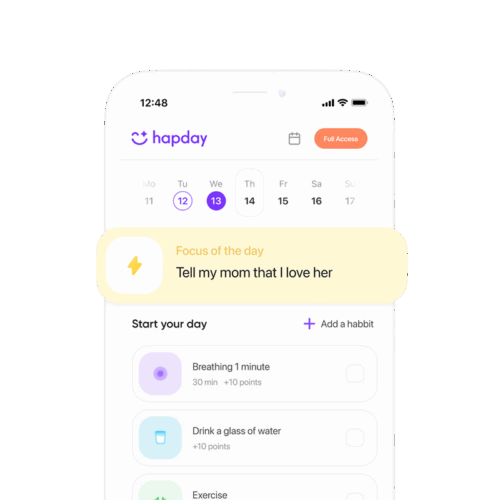
The Hapday AI Life Coach stands as an ally on this journey, offering round-the-clock guided sessions and personalized wellness tracks to knit balance and peace into your life tapestry. Explore more through the app, and begin to feel the nuances of tranquility and balance unfold.
The Bottom Line
Embracing mindfulness isn’t a rapid process; it’s a journey towards greater awareness and inner calm. By incorporating simple practices into your daily life, you can begin to shift stress into serenity, enhancing your overall well-being.
References
- Harvard Gazette
- National Institutes of Health
- Harvard Health
- American Psychological Association
Join 1.5M+ people using Hapday’s AI-powered tools for better mental health, habits, and happiness. 90% of users report positive changes in 2 weeks.