


Mindful Living: Emotional Regulation Tips
Table of Contents
- Understanding Emotional Regulation through Mindful Living
- The Science Behind Mindfulness and Emotional Regulation
- Practical Mindful Living Tips for Emotional Regulation
- Integrating Mindful Living into Your Daily Routine
- Why Emotional Regulation is Essential
- The Role of Self-Compassion in Emotional Regulation
- Challenges and Solutions
- Conclusion: Embrace Mindful Living for Emotional Balance
Understanding Emotional Regulation through Mindful Living
Mindful living emphasizes being immersed in the present, engaging fully with the moment and reserving judgment. Emotional regulation? It’s about responding to our emotions in a way that’s healthy and productive. Merging these ideas can lead to change—a real shift. Back in 2019, Neurobiology of Stress published a study showing that mindfulness can dramatically lower emotional reactions and boost our capacity to manage emotions.
The Science Behind Mindfulness and Emotional Regulation
Mindfulness has caught the attention of many researchers over the years. Findings in Clinical Psychology Review illustrate how mindfulness alters several brain areas linked with control and self-regulation. Continuous practice appears to stimulate the prefrontal cortex—a part of the brain crucial for planning, social behavior, and emotional control. Isn’t that fascinating?
Practical Mindful Living Tips for Emotional Regulation
- Daily Mindfulness Meditation
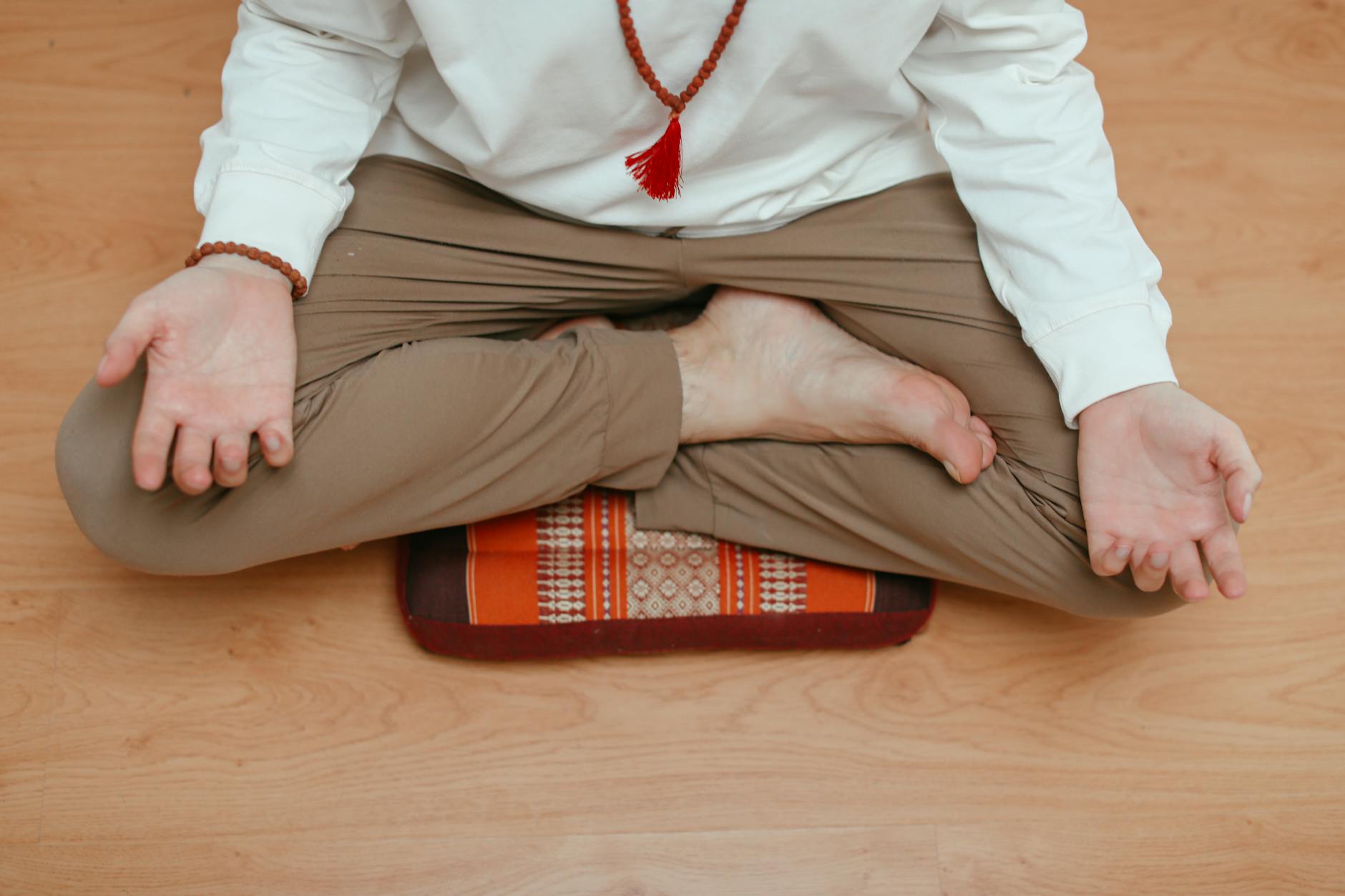
Kickstart your day with a brief 10-minute mindfulness meditation. Sit quietly and tune into your breath. Let your thoughts drift by, without judgment. The Journal of Happiness Studies reports that this simple habit might bolster emotional resilience and ease negative moods.
- Body Scan Practice
For heightened awareness, try the body scan. Whether reclining or seated, mentally travel from head to toe, sensing tension or discomfort. This strengthens the mind-body link and promotes emotional regulation—cultivating relaxation.
- Mindful Journaling
Spend a few minutes nightly jotting down the feelings and thoughts of your day. Recognize your triggers and emotional trends. According to Psychotherapy Research, this exercise supports emotional reflection and self-awareness, both vital for stability.
- Breathing Exercises
When anxiety swells, mindful breathing can be your refuge. Deep, conscious breaths can awaken the parasympathetic nervous system, imparting calmness. Frontiers in Psychology tells us that regulated breathing diminishes anxiety—an anchor in stormy seas.
- Gratitude Practice
Incorporate daily gratitude reflections by listing three things you feel thankful for. The Journal of Positive Psychology links gratitude practices to improved mood regulation and overall emotional wellbeing. Another simple yet profound step.
Integrating Mindful Living into Your Daily Routine
Adopting mindfulness requires no radical lifestyle overhaul. It’s about small, purposeful acts—incremental, yet impactful over time. Be it meditation, journaling, or mindful breathing amid stress, these habits can ground you in the present—bit by bit.
Why Emotional Regulation is Essential
Emotional regulation isn’t just personal—it affects relationships too. The American Psychological Association indicates that those adept at emotional regulation tend to have more satisfying relationships. They cope better with life’s hurdles, experience less anxiety and depression, and flourish mentally. Surely, it’s worth striving for?
The Role of Self-Compassion in Emotional Regulation
Self-compassion is a cornerstone of emotional balance. It involves treating yourself with the same kindness you’d offer to a friend, reducing self-criticism and fortifying your emotional resilience. According to a study in the Journal of Personality and Social Psychology, self-compassion correlates with lower stress levels and improved emotional management.
Challenges and Solutions
While mindful living is enriching, challenges persist: keeping motivation and overcoming initial resistance. Is it tough? Absolutely, for some. However, setting practical goals and monitoring progress can uphold your practice. Finding communities, whether virtual or nearby, provides support and motivation. Persistence will transform these practices into effortless habits over time.
Conclusion: Embrace Mindful Living for Emotional Balance
Embarking on a path of mindful living isn’t about reaching perpetual calm—it’s about forming a toolkit to weather life’s ups and downs with elegance and resolved determination. By weaving emotional regulation practices into your daily life, you nurture a more balanced and mindful existence. Remember, it’s a journey, and every thoughtfully-taken step leads to deeper emotional wellbeing and fulfillment.
Begin your mindful living journey today and unlock doors to emotional balance, inner serenity, and contentment. Your emotional health is pivotal. Practice these tips earnestly, and watch transformation unfold within you.
References
- Neurobiology of Stress – Study on mindfulness and emotional reactivity.
- Clinical Psychology Review – Impact of mindfulness on brain structures.
- Journal of Happiness Studies – Mindfulness meditation and emotional resilience.
- Psychotherapy Research – Benefits of journaling.
- Frontiers in Psychology – Breathing exercises and emotional control.
- Journal of Positive Psychology – Effects of gratitude on emotional regulation.
- American Psychological Association – Emotional regulation and relationship satisfaction.
- Journal of Personality and Social Psychology – Self-compassion and emotion management.
Join 1.5M+ people using Hapday’s AI-powered tools for better mental health, habits, and happiness. 90% of users report positive changes in 2 weeks.