

Mindful Living: Inner Calm Routines
Table of Contents
- Understanding Mindful Living
- Key Components of Inner Calm Routines
- Implementing Mindfulness in Daily Activities
- Cultivating a Mindful Environment
- Wrapping It Up
Understanding Mindful Living
Mindful living is all about staying in the moment, acknowledging emotions without passing judgment, and building a connection between your mind, body, and the environment. It’s the bedrock upon which inner calm routines are crafted—practices carefully designed to slash anxiety levels, boost emotional well-being, and uplift the overall quality of life.
Back in 2018, the Journal of Happiness Studies published a piece revealing that people who practiced mindfulness showed increased subjective well-being and diminished signs of psychological stress (Keng at al., 2018). This clearly says something; mindfulness works wonders for mental health.
Key Components of Inner Calm Routines
Mindful Breathing
Mindful breathing—so simple, yet incredibly powerful. This exercise focuses your attention on breathing as a way to anchor you in the present. The research on its benefits is rather extensive. A 2017 study in Frontiers in Human Neuroscience revealed that mindful breathing notably reduced anxiety among participants (Zaccaro et al., 2017).
How to Practice:
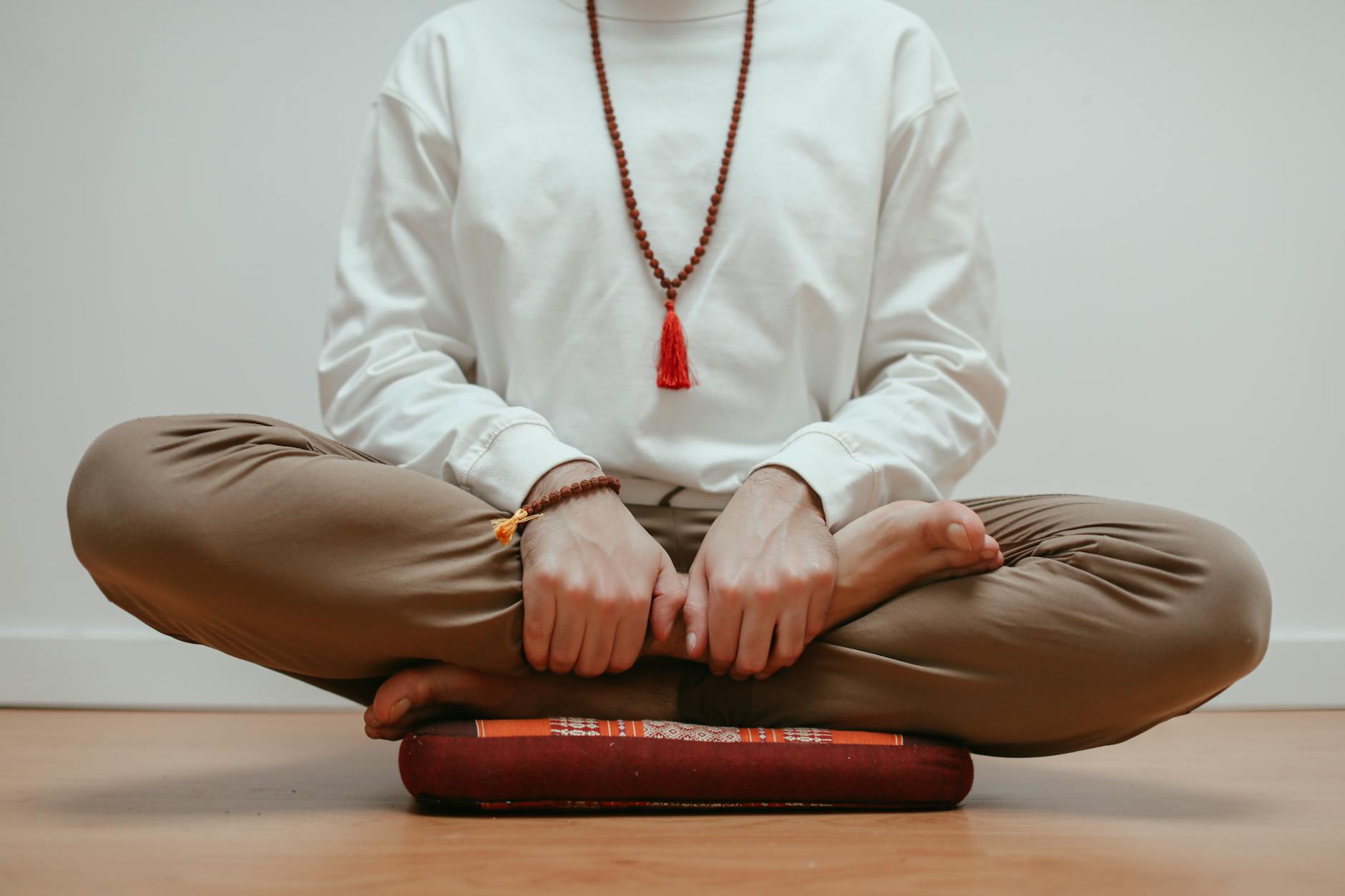
- Sit comfortably in a quiet place.
- Close your eyes, take a deep breath through your nose.
- Exhale slowly through your mouth.
- Focus on each breath’s rhythm, letting all intrusive thoughts drift away.
Meditation
Meditation is a cornerstone of mindful living, nurturing mental clarity and tranquility. According to a 2014 study in JAMA Internal Medicine, mindfulness meditation can effectively lower stress, anxiety, and depression (Goyal et al., 2014). Has anyone ever regretted a few minutes of calm?
Simple Meditation Routine:
- Set aside 5–10 minutes a day for meditation.
- Find a quiet, cozy spot.
- Concentrate on a mantra, your breath, or try a guided meditation.
- When your mind wanders—and it will—gently bring it back.
Gratitude Journaling
Gratitude journaling is a potent mindfulness method focusing attention on life’s positives, fostering a sense of contentment and emotional balance. Research published in Emotion in 2015 discovered that keeping a gratitude journal improved mental health and boosted happiness levels (Emmons & Mishra, 2015).
Getting Started:
- Spend five minutes before bed jotting down three things you’re thankful for.
- Reflect on these entries to encourage positivity before you sleep.
Implementing Mindfulness in Daily Activities
Mindful Eating
Mindful eating encourages savoring each bite, appreciating flavors, and recognizing hunger signals. In 2017, a study in Health Psychology Review suggested that mindful eating promotes healthier eating habits and helps in weight management (Mason et al., 2017).
Tips for Mindful Eating:
- Take your time eating, really savor the food.
- Notice the texture, taste, and aroma.
- Avoid distractions, like phones or TVs, during meals.
Mindful Walking
Turn a routine walk into a meditative practice that benefits both body and mind. It’s about focusing on your steps and the sensation of your feet touching the ground.
How to Practice:
- Walk slower than usual.
- Pay attention to each movement.
- Hear the sounds around you and feel the breeze on your skin.
Cultivating a Mindful Environment
Declutter Regularly
Did you know clutter can spike stress and hurt productivity? Research back in 2016, noted this correlation (Roster, 2016). Regular cleanup sessions can craft a more peaceful atmosphere ideal for mindfulness.
Incorporate Nature
Plants not only purify air but lift mood, as demonstrated by a 2019 study showing how interaction with indoor plants reduced stress levels—both psychological and physiological (Toyoda et al., 2019).
Wrapping It Up
Building mindful living routines can have profound effects on mental health. By incorporating practices like mindful breathing, meditation, gratitude journaling, and engaging in mindful day-to-day activities, one can nurture a lasting inner calm. Isn’t it time we fitted these inner calm rituals into our lives and embraced them? Perhaps that’s the first step toward finding balance.
References
- Keng, S. L., et al. “The Association Between Mindfulness and Negative Self-disclosure and Self-opinion Discrepancies on Social Media.” Journal of Happiness Studies, 2018.
- Zaccaro, A., et al. “How Breath-Control Can Change Your Life: A Systematic Review on Psycho-Physiological Correlates of Slow Breathing.” Frontiers in Human Neuroscience, 2017.
- Goyal, M., et al. “Meditation Programs for Psychological Stress and Well-being.” JAMA Internal Medicine, 2014.
- Emmons, R. A., & Mishra, A. “Why Gratitude Enhances Well-Being: What We Know, What We Need to Know.” Emotion, 2015.
- Mason, A. E., et al. “Reduced Reward-driven Eating Accounts for the Impact of a Mindfulness-based Diet and Exercise Intervention on Weight Loss: Data from the SHED-IT Community Randomized Controlled Trial.” Health Psychology Review, 2017.
- Roster, C. A. “The Big Reset: How Decluttering Transformed the Emotional Labor of Relocating.” Journal of Consumer Research, 2016.
- Toyoda, M., et al. “Interaction with indoor plants may reduce psychological stress by suppressing autonomic nervous system activity in young adults: a randomized crossover study.” Journal of Physiological Anthropology, 2019.
Join 1.5M+ people using Hapday’s AI-powered tools for better mental health, habits, and happiness. 90% of users report positive changes in 2 weeks.