



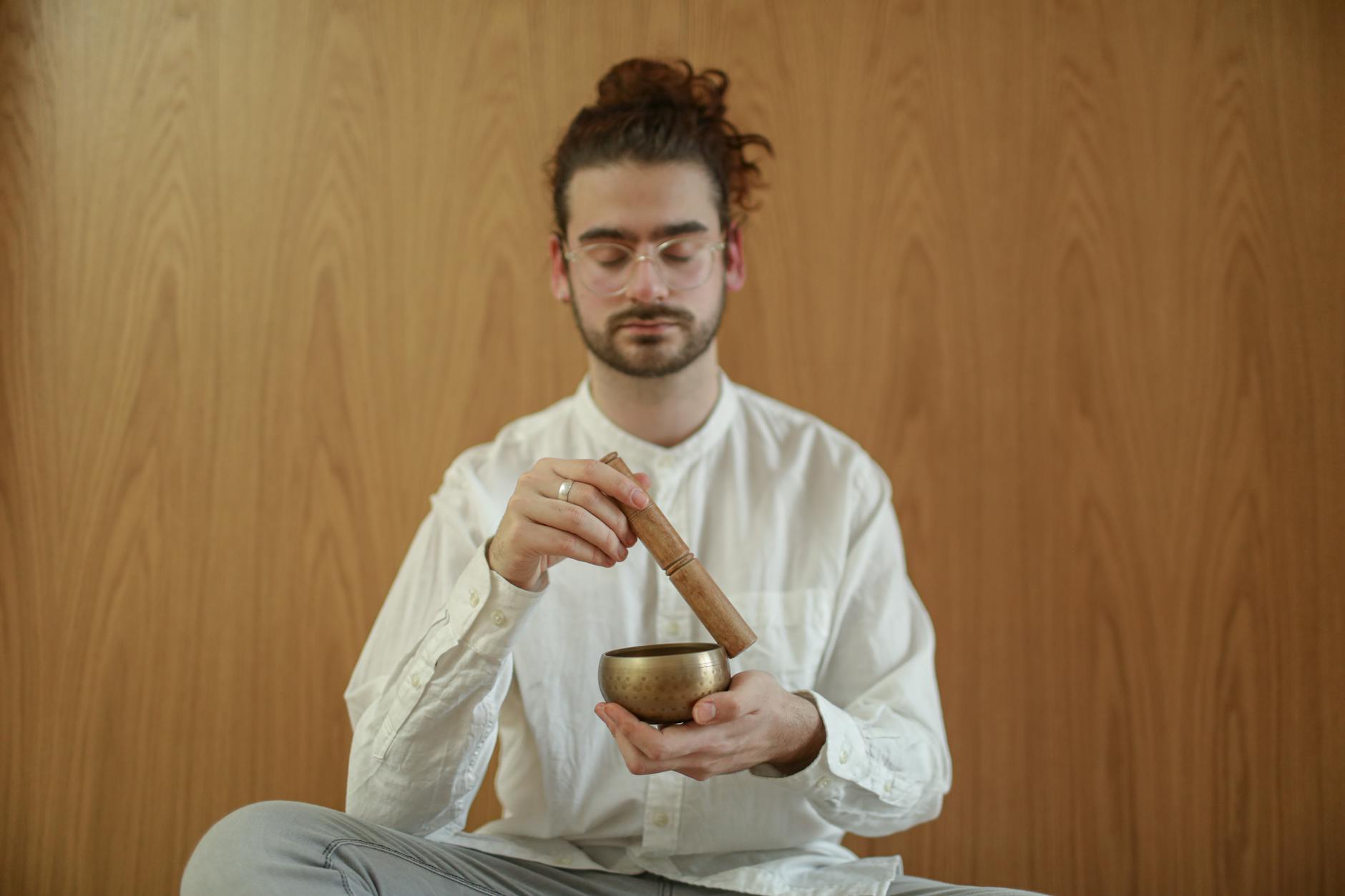
What is Mindfulness Meditation?
Table of Contents
- Understanding Mindfulness Meditation
- The Science Behind Mindfulness Meditation
- Benefits of Practicing Mindfulness Meditation
- How to Practice Mindfulness Meditation
- Common Challenges in Mindfulness Meditation
- Integrating Mindfulness into Daily Life
- Concluding Thoughts on Mindfulness Meditation
Understanding Mindfulness Meditation
At its heart, mindfulness meditation is about being deeply present, engaging fully with the now, minus the usual judgment. Imagine observing your thoughts from a distance, not labeling them as good or bad—but just acknowledging their existence. Each moment experienced as it unfolds can offer a profound clarity and calm, an often rare commodity in bustling life.
With origins in Buddhist teachings, mindfulness has meandered through centuries, embedding itself in varied cultures and modern psychology alike. Dr. Jon Kabat-Zinn—who is often heralded as a pioneer for integrating Buddhist mindfulness into mainstream healthcare—once described it as “paying attention in a particular way: on purpose, in the present moment, and non-judgmentally.” Is it any wonder it has gained such popularity?
The Science Behind Mindfulness Meditation
Mindfulness meditation’s outcomes are backed by science, not just anecdote. For instance, in 2014, a meta-analysis in JAMA Internal Medicine revealed that such programs improve anxiety, depression, and pain. Meanwhile, a 2016 study in Biological Psychiatry spoke of changes in brain mechanisms related to stress among those practicing mindfulness-based stress reduction (MBSR). Are we finally able to prove what was long felt?
Benefits of Practicing Mindfulness Meditation
- Reduced Stress and Anxiety: Regular practice tends to chip away at stress levels. Carnegie Mellon University’s study demonstrated that mindfulness can enhance the brain’s responses to stress — reducing stress markers biologically.
- Enhanced Emotional Well-being: Practicing nonjudgmental awareness facilitates emotional clarity. Many claim this leads to an improved presence in their lives.
- Improved Focus and Concentration: Greater concentration and focus—these are natural byproducts of mindfulness. Findings in Psychological Science showed that mindfulness training boosts attention and working memory. Isn’t that what most of us need?
- Better Sleep: A busy brain that can’t wind down? Mindfulness might help. JAMA Internal Medicine found mindfulness practitioners experienced less insomnia and fatigue. What greater relief could there be than a good night’s sleep?
How to Practice Mindfulness Meditation
Setting the Scene
- Quiet Environment: Choose a distraction-free zone. Aim for comfort but also an ambiance that keeps you alert.
- Use a Timer: Begin with brief intervals. Perhaps 5-10 minutes at first, upping duration as you gain confidence.
The Process
- Focus on Breathing: Notice how air flows through you. Acknowledge this natural rhythm without trying to alter it.
- Note Thoughts: Observe them without judgment. If your thoughts wander, guide them back to your breath. Perfect engagement isn’t the aim; persistence is.
- Show Kindness: The mind wanders—bring it back without berating yourself. Isn’t that part of the journey?
Common Challenges in Mindfulness Meditation
Adopting mindfulness meditation into daily routines might appear intimidating. Challenges like restlessness or self-judgment often crop up. Yet remember, mastery isn’t the goal—it’s the act of returning to the moment. Celebrate minor victories and show yourself grace.
Integrating Mindfulness into Daily Life
Mindfulness isn’t just about meditation sessions. It’s a lifestyle. Savor food mindfully, relish a conversation by giving full attention. Over time, mindfulness will weave into your daily fabric, nudging you towards a richer, more fulfilled life.
Concluding Thoughts on Mindfulness Meditation
In a world that races ahead—leaving us breathless—mindfulness meditation serves as a steadying anchor. It roots us in the present, offering clarity and peace. Dedicating a few minutes each day could lead to an overflowing well of inner peace. Isn’t that a transformation worth seeking?
Ready to start this journey? Dive in today, and let the simple yet powerful practice of mindfulness begin to reshape your world breath by breath.
References:
- Goyal, M., et al. (2014). “Meditation Programs for Psychological Stress and Well-being: A Systematic Review and Meta-analysis.” JAMA Internal Medicine.
- Creswell, J.D., et al. (2016). “Alterations in resting-state functional connectivity link mindfulness meditation with reduced interleukin-6: A randomized controlled trial.” Biological Psychiatry.
Join 1.5M+ people using Hapday’s AI-powered tools for better mental health, habits, and happiness. 90% of users report positive changes in 2 weeks.