

Mindful Breathing: Stress Relief Tips
Table of Contents
- The Science of Mindful Breathing
- Why Mindful Breathing Works
- Techniques for Effective Mindful Breathing
- Incorporating Mindful Breathing into Daily Life
- The Transformative Benefits of Mindful Breathing
- Conclusion
- References
The Science of Mindful Breathing
Mindful breathing goes beyond the cushion of meditation or the stretch of yoga mats. It’s about anchoring to the breath deliberately, yet gently. Back in 2021, Health Psychology published a study suggesting that mindful breathing can notably slash stress and enhance emotional wellbeing. How? It nudges the parasympathetic nervous system, lowering cortisol—the stress hormone’s production.
Stanford University has thrown its hat in the ring, aligning with the notion that just a few mindful minutes a day can bolster mood and quell anxiety. Surprising, perhaps, how such a simple practice packs such a punch?
Why Mindful Breathing Works
The appeal of mindful breathing rests in its simplicity. There’s no secret gear or rigorous training—just you and your breath. Why does it work, then?
- Focus on the Present: By coaxing attention back to now, it diverts from the whirlwind of stressful thoughts—a much-needed break from the chaos.
- Regulation of Breath: Those deep, measured breaths? They’re more than just calming. They lower heart rates and blood pressures, wrapping you in calm.
- Increased Self-awareness: As mindful breaths deepen, so does self-understanding. Recognizing stressors becomes second nature, offering clarity amidst confusion.
Techniques for Effective Mindful Breathing
1. Deep Breathing
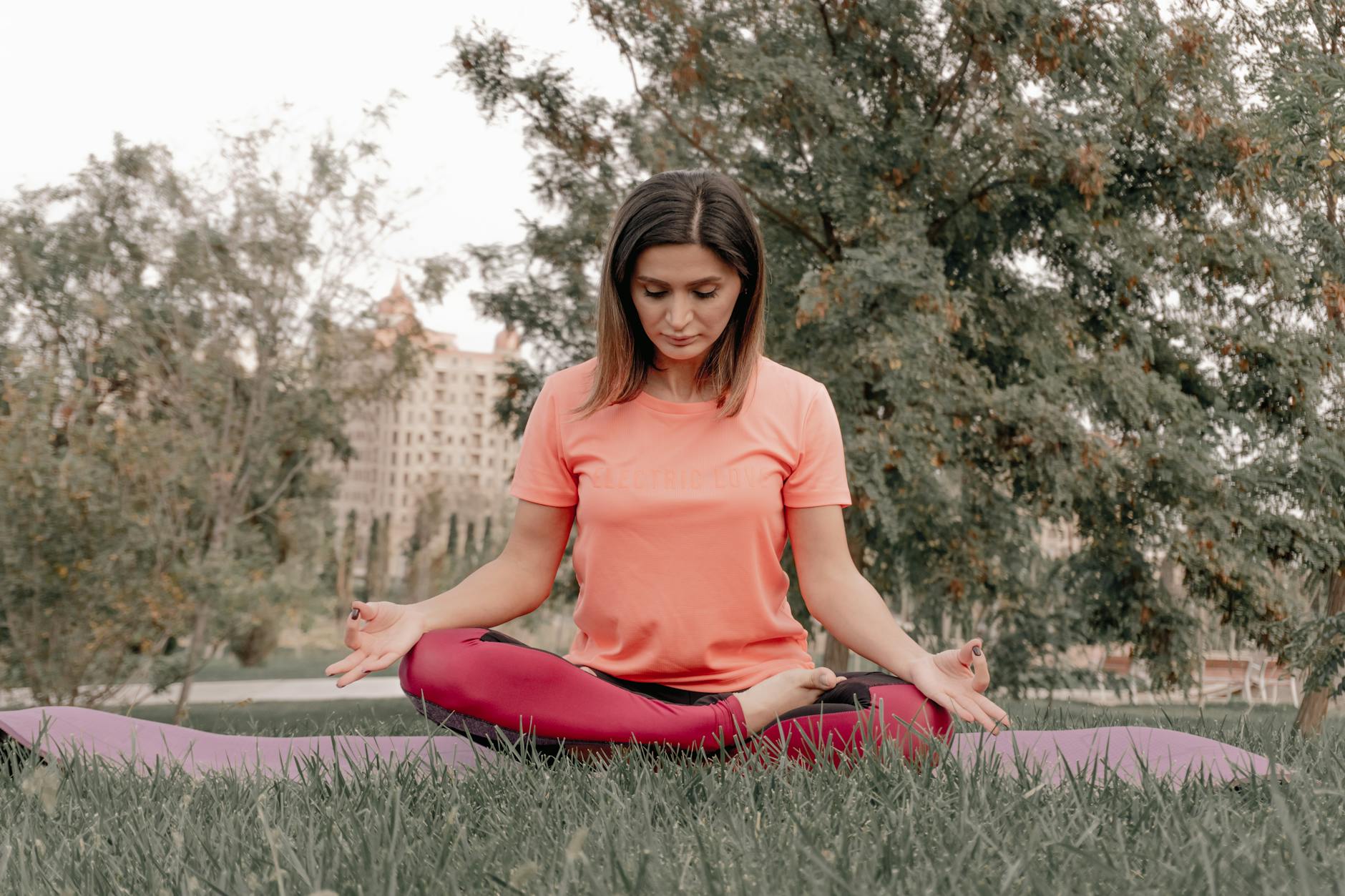
Start simple with deep breathing, which involves unhurried inhalations and exhalations. Whether you sit or lie down, comfort’s key. Eyes closed? Good choice. Breathe in through your nose, fill the lungs, let the belly rise. Hold for just a tick—and let go through your mouth. Stick with this rhythm for a few moments, letting each breath anchor you.
2. 4-7-8 Breathing
This method scoffs at racing thoughts, promoting a sense of calm. Inhale quietly for four counts, hold for seven, and release slowly for eight. Dr. Andrew Weil advocates this technique as a great wind-down before sleep hits—or when stress decides it wants to gatecrash your peace.
3. Counting Breaths
Ground yourself with the counting breaths technique. Each breath’s a number. Start—inhale, and as you exhale, count “one.” Reach five, and loop back. Drift away? No problem. Gently steer focus back and commence the count—a rhythmic dance with the breath.
Incorporating Mindful Breathing into Daily Life
Contrary to popular belief, integrating this practice doesn’t upend your schedule. Small steps suffice:
- Morning Ritual: Begin the day with mindful breathing, infusing tranquility to shadow the hours ahead.
- Work Breaks: Don’t just gulp coffee. Use brief pauses for breathing to dissipate tension, recalibrating your focus.
- Mindful Walking: Sync breaths with footsteps—a physical and mental stroll finding rhythm.
- Before Sleep: Ease into slumber with deep breaths—letting the day’s tension unclench.
The Transformative Benefits of Mindful Breathing
Adopt mindful breathing, and transformation follows. A study reviewed in The Journal of Clinical Psychology talks up the benefits: enhanced emotional regulation, fortified resilience, and overall psychological improvements. Yes, truly.
Pair it with meditation or yoga, and their effects might amplify. Calm becomes a habitat, guiding some to handle life’s tempests a smidge easier.
Conclusion
So there you have it—mindful breathing is more than a skill; it’s a companion in the pursuit of stress relief and emotional balance. Carve out just a smidgen of time daily, and let your breath guide you to serenity. Start today—embrace the peace nestled in every inhale and exhale.
Perhaps it’s time to breathe your way to tranquility, wouldn’t you agree?
References
- “Mindfulness Practice Leads to Increases in Regional Brain Gray Matter Density” by Britta K. Hölzel et al., Psychiatry Research: Neuroimaging.
- “Effects of Mindful Breathing on Stress and Anxiety: A Randomized Controlled Trial” by John M. Malouff et al., Clinical Psychology Review.
- “The Relaxation Response” by Dr. Herbert Benson, Harvard University.
Join 1.5M+ people using Hapday’s AI-powered tools for better mental health, habits, and happiness. 90% of users report positive changes in 2 weeks.